Health, SRHR and WASH

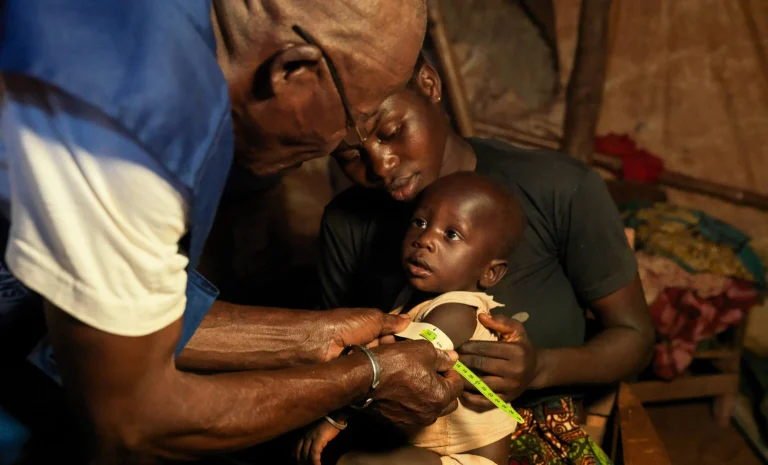
Many communities in Kenya’s ASAL counties and urban informal settlements continue to experience limited access to quality healthcare, sexual and reproductive health and rights (SRHR), safe and sufficient clean water for domestic use and consumption, and adequate water, sanitation and hygiene (WASH) services. Weak health systems, water scarcity, inadequate sanitation infrastructure, poor hygiene practices, and harmful social norms contribute to preventable diseases, maternal and child health challenges, malnutrition, poor menstrual hygiene, and reduced educational and economic opportunities.
Humanitarian Aid SODECA
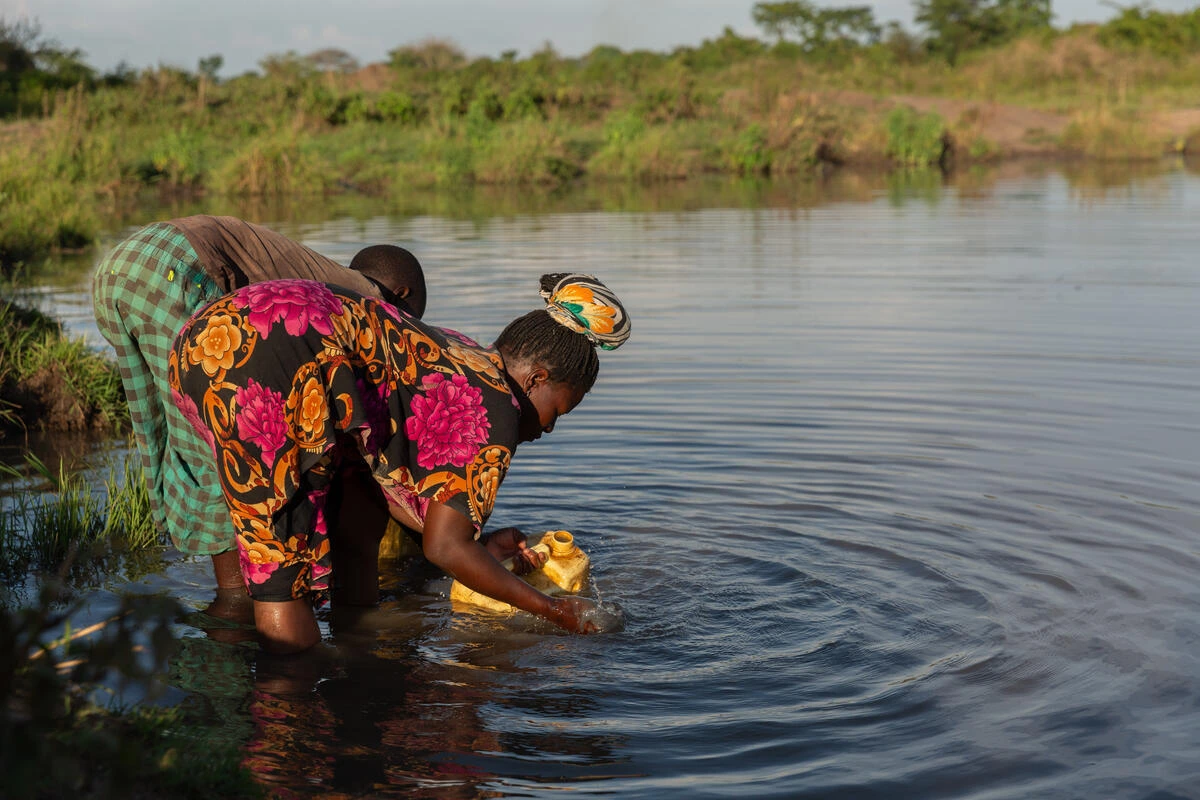
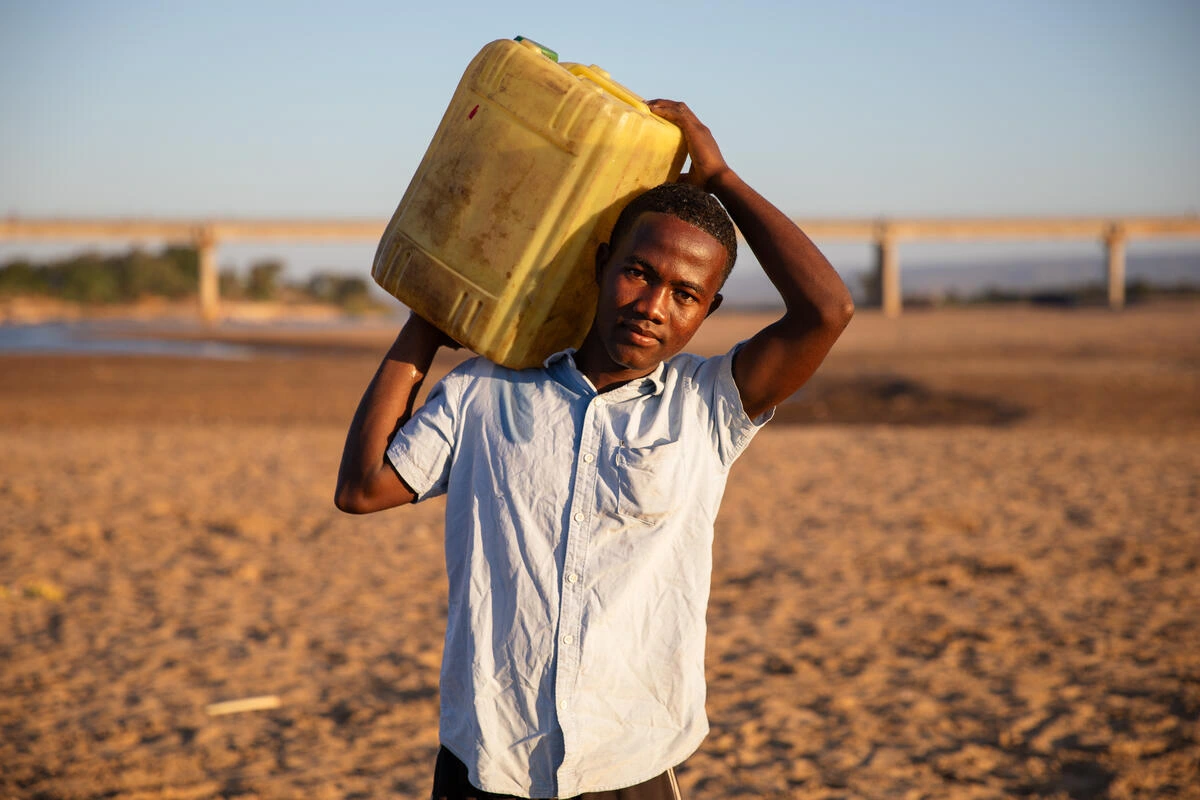
Women and girls are disproportionately affected, often travelling long distances to fetch water, exposing them to protection risks while reducing time available for education, productive livelihoods, and civic participation. SODECA promotes the right to the highest attainable standard of health by strengthening community health systems, advancing equitable access to healthcare, sexual and reproductive health information and services, improving access to safe, clean, and reliable water for drinking and household consumption, and promoting sustainable water, sanitation, and hygiene (WASH) practices.
The programme combines rights-based advocacy, community engagement, systems strengthening, and behaviour change approaches to improve health outcomes, prevent disease, protect human dignity, and build healthy, resilient communities.

Find out more about us

Why we're here

Discover why millions of people still live without clean water, decent toilets and good hygiene, and what WaterAid is doing to ensure they have lasting access.

Our work

Discover why millions of people still live without clean water, decent toilets and good hygiene, and what WaterAid is doing to ensure they have lasting access.

How we're run

Discover why millions of people still live without clean water, decent toilets and good hygiene, and what WaterAid is doing to ensure they have lasting access.